Queens Municipal Infrastructure Project Dumpsters: A Comprehensive Overview
Introduction
In the realm of urban development, efficient waste management is a cornerstone of sustainable and thriving cities. This article delves into the critical component of municipal infrastructure known as “Queens Municipal Infrastructure Project Dumpsters” (QMIPDs). QMIPDs are specialized containers designed to facilitate the collection, storage, and transportation of construction waste generated during various municipal projects in Queens, New York City. By exploring their role, impact, and associated factors, we can gain insights into the intricate web of urban planning and environmental stewardship.
This piece aims to provide a comprehensive guide, offering readers a deep understanding of QMIPDs’ significance, global reach, economic implications, technological innovations, regulatory framework, challenges, real-world applications, and future prospects. Through this exploration, we will uncover how these seemingly ordinary dumpsters play a pivotal role in shaping the built environment.
Understanding Queens Municipal Infrastructure Project Dumpsters: Unveiling the Basics
Definition and Core Components
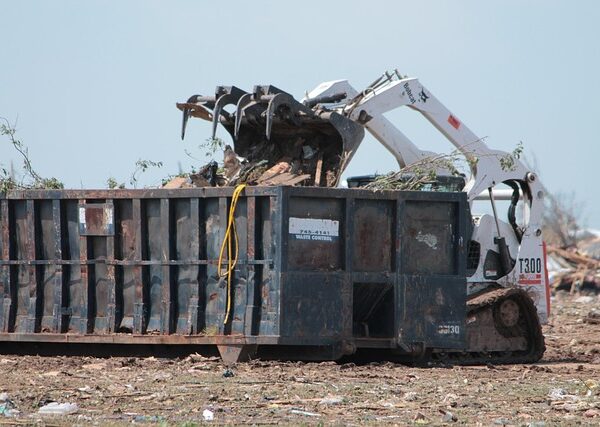
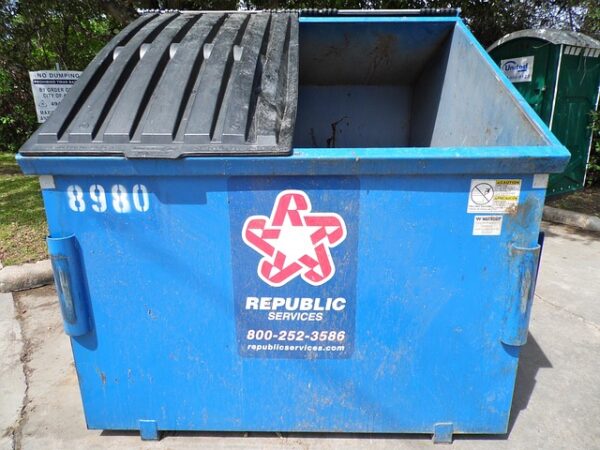
Queens Municipal Infrastructure Project Dumpsters are large, robust containers specifically engineered to meet the unique challenges of municipal construction sites. They are designed to collect various types of waste generated during infrastructure development projects in Queens, ensuring efficient removal and responsible disposal. Key components include:
- Structural Integrity: QMIPDs are built with sturdy materials like steel or reinforced plastic to withstand heavy loads and harsh urban conditions.
- Size Variability: These dumpsters come in different sizes, from compact units suitable for narrow spaces to large containers capable of handling massive waste volumes.
- Lifting Mechanisms: Most feature mechanical arms or hydraulic systems that facilitate safe lifting and transportation, often requiring specialized equipment for removal.
- Waste Segregation Features: Some advanced models incorporate compartments or dividers to promote on-site waste segregation, enhancing recycling efforts.
- Locking Systems: Security is paramount; dumpsters may include locking mechanisms to prevent unauthorized access and ensure the integrity of stored waste.
Historical Context and Evolution
The concept of dedicated construction waste containers evolved as urban planning and environmental awareness grew. Initially, construction sites relied on traditional methods, such as open-topped bins and manual hauling, which were inefficient and often led to environmental contamination.
In the 1970s, the rise of environmental regulations and sustainable building practices prompted the development of standardized waste management systems. This era saw the introduction of containerized waste collection, leading to the creation of specialized dumpsters like QMIPDs. Over time, these containers have become integral to large-scale municipal projects, driven by the need for efficient waste removal and environmental compliance.
Significance in Municipal Projects
QMIPDs play a crucial role in several aspects of municipal infrastructure development:
- Waste Management Efficiency: They streamline the process of collecting and transporting construction waste, reducing site clutter and potential safety hazards.
- Environmental Protection: By facilitating proper disposal and recycling, these dumpsters contribute to minimizing environmental impact, preventing soil and water pollution.
- Cost Savings: Efficient waste management can lead to significant cost savings for project developers and the municipality by reducing labor and disposal fees.
- Compliance with Regulations: QMIPDs assist in adhering to local and national environmental laws, ensuring responsible construction practices.
- Community Engagement: Effective waste management initiatives can foster positive community relations, showcasing the municipality’s commitment to sustainability.
Global Impact and Trends
International Influence
The concept of specialized construction waste containers has spread globally, with each region adopting unique variations tailored to local needs and conditions. Queens Municipal Infrastructure Project Dumpsters, in particular, have gained recognition for their efficiency and durability, influencing similar initiatives worldwide.
Key Global Trends
- Sustainability Focus: A growing global emphasis on sustainability drives the development of eco-friendly dumpsters with improved recycling capabilities.
- Technological Integration: The integration of IoT (Internet of Things) sensors and GPS tracking enhances waste management efficiency, providing real-time data for optimized operations.
- Size and Versatility: There is a trend towards creating modular dumpster designs that can adapt to various project sizes, from small-scale renovations to massive infrastructure developments.
- Material Innovation: Researchers explore new materials, such as biodegradable polymers, to create more sustainable waste containers.
- Remote Monitoring: Advanced monitoring systems allow for remote control and management of dumpsters, improving safety and operational efficiency.
Regional Variations
- Europe: Known for its stringent environmental standards, European countries have pioneered the use of smart waste management systems, including connected dumpsters that optimize collection routes.
- Asia: Rapid urbanization in Asia has led to innovative vertical dumping solutions, maximizing space utilization in dense urban environments.
- North America: The United States and Canada have seen a rise in the adoption of larger, more durable dumpsters capable of handling diverse waste streams.
- Latin America: In some Latin American cities, community-based waste management programs utilize simple yet effective dumpster systems to engage local residents.
Economic Considerations
Market Dynamics
The QMIPD market is influenced by several economic factors:
- Project Scale: The size and scope of construction projects determine the demand for dumpsters, with large-scale infrastructure developments driving higher requirements.
- Regulations and Incentives: Governments can stimulate the market through incentives for eco-friendly practices and penalties for non-compliance, affecting purchasing decisions.
- Waste Management Costs: Fluctuating waste disposal costs impact the economic viability of various dumpster options.
- Technology Adoption: The cost-benefit analysis of integrating advanced technologies into dumpsters influences market trends.
Investment Patterns
- Private Sector Involvement: Private companies specializing in waste management often invest in QMIPD technology, seeking competitive advantages and efficient operations.
- Government Initiatives: Municipal authorities may partner with private entities or invest directly in innovative dumpster systems to enhance city services.
- Infrastructure as a Service (IaaS): Some cities adopt IaaS models, where private partners provide and maintain waste management infrastructure, including dumpsters, in exchange for revenue-sharing.
Economic Impact
Efficient QMIPD usage can significantly impact the economy:
- Cost Savings: Improved waste management practices reduce expenses related to labor, disposal, and potential environmental fines.
- Job Creation: The growing demand for dumpster services fosters job opportunities in manufacturing, maintenance, and waste management sectors.
- Environmental Benefits: Minimizing construction waste pollution can attract eco-conscious businesses, contributing to a thriving green economy.
Technological Advancements
Innovations Shaping the Future
- Smart Dumpsters: Equipped with sensors and connectivity, these dumpsters provide real-time data on fill levels, enabling optimized collection schedules and route planning.
- Autonomous Hauling: Self-driving vehicles are being explored for autonomous dumpster collection, enhancing safety and efficiency in waste transportation.
- Waste Sorting Technologies: Advanced sorting systems use computer vision and AI to automate the separation of recyclable materials from general waste, increasing recycling rates.
- Biological Treatment: On-site biological treatment facilities can process certain types of construction waste, reducing volume and creating valuable byproducts.
- Digital Twin Technology: Creating digital replicas of physical dumpsters allows for predictive maintenance, performance monitoring, and remote control.
Impact and Future Potential
Technological innovations offer several advantages:
- Efficiency Gains: Smart systems and automation streamline waste management processes, reducing labor costs and increasing productivity.
- Environmental Benefits: Advanced sorting technologies and on-site treatment reduce the carbon footprint of construction projects.
- Data-Driven Decisions: Real-time data enables better decision-making, leading to optimized project planning and resource allocation.
- Safety Improvements: Remote monitoring and autonomous systems enhance worker safety by reducing direct exposure to hazardous sites.
- Sustainable Development: Future technologies will play a pivotal role in achieving sustainable development goals, particularly in densely populated urban areas.
Policy and Regulation
Key Policies and Frameworks
The regulatory landscape surrounding QMIPDs varies across jurisdictions but generally includes:
- Environmental Protection Laws: These regulations govern the proper disposal of construction waste to prevent pollution and protect natural resources.
- Building Codes: Local building codes often specify waste management requirements, including dumpster placement and access for maintenance.
- Waste Management Plans: Municipal authorities may mandate comprehensive waste management plans for large-scale projects, detailing dumpster usage and recycling goals.
- Health and Safety Regulations: Safety standards ensure the well-being of construction workers and waste management personnel, particularly when handling hazardous materials.
- Permitting Systems: Projects requiring QMIPDs often need permits to ensure compliance with environmental and waste management regulations.
Regulatory Influence on Development
Regulations play a critical role in shaping the adoption and design of QMIPDs:
- Standardization: Regulations encourage the use of standardized dumpsters, ensuring compatibility with existing infrastructure and facilitating efficient waste transfer.
- Environmental Compliance: Strict environmental policies drive the development of eco-friendly dumpster solutions, promoting sustainable construction practices.
- Safety Standards: Health and safety regulations ensure that dumpsters meet specific safety criteria, minimizing risks to workers and the public.
- Performance Metrics: Some regulations require project developers to report on waste management performance, encouraging the adoption of efficient systems.
Challenges and Criticisms
Overcoming Obstacles
- Cost Considerations: Initial investment in advanced dumpsters can be high, creating a barrier for smaller projects or budget-constrained municipalities. However, long-term cost savings and environmental benefits justify these expenses.
- Site Access and Maneuvering: Navigating heavy dumpsters on narrow construction sites or in congested urban areas presents logistical challenges. Advanced vehicle technology and careful planning can mitigate these issues.
- Recycling Complexity: Effective recycling requires proper segregation at the source, which can be challenging on large construction sites. Educated workers and advanced dumpster designs with internal sorting features address this concern.
- Public Perception: Some residents may view dumpsters as eyesores or potential hazards, requiring community engagement and education to foster understanding and acceptance.
Criticisms and Actionable Solutions
- Environmental Concerns: Critics argue that construction waste management is not always environmentally friendly, citing instances of illegal dumping and inadequate recycling. To counter this, strict enforcement of regulations, public awareness campaigns, and advanced sorting technologies are essential.
- Safety Hazards: Accidental tipping or improper handling of dumpsters can pose risks to workers and bystanders. Rigorous training programs and modern vehicle designs with enhanced safety features can significantly reduce these hazards.
- Noise Pollution: Dumpster transportation and loading operations may contribute to noise pollution in urban areas. Implementing quieter vehicles and scheduling operations during off-peak hours can help mitigate this issue.
Case Studies: Real-World Applications
Exemplary Projects and Lessons Learned
-
The Grand Central Terminal Renovation (New York City): This iconic renovation project utilized a comprehensive QMIPD system, featuring advanced sorting facilities on-site. The initiative resulted in an impressive 90% recycling rate, setting a new benchmark for large-scale construction projects.
- Lesson: On-site waste management and sorting can significantly enhance recycling efforts, even for complex infrastructure projects.
-
The Sydney Metro Project (Australia): The development of Australia’s largest public transport project incorporated smart dumpsters with real-time monitoring capabilities. This technology optimized collection routes, reducing fuel costs and carbon emissions.
- Lesson: Integrating IoT technologies improves operational efficiency and contributes to a greener construction process.
-
The Shanghai Tower Construction (China): The world’s second-tallest building utilized a modular dumpster system designed for vertical stacking, maximizing space utilization on a compact site.
- Lesson: Creative dumpster designs tailored to specific project needs can overcome logistical challenges in dense urban environments.
Future Prospects: Looking Ahead
Potential Growth Areas
- Urban Regeneration Projects: The growing trend of urban regeneration and brownfield redevelopment will drive the need for efficient waste management solutions, particularly in revitalizing older construction sites.
- Sustainable Construction Practices: As sustainability becomes a key focus, QMIPDs will play a pivotal role in achieving zero-waste construction goals, integrating advanced sorting and recycling technologies.
- Remote and Off-Grid Sites: Expanding into remote locations for infrastructure development will require robust, self-contained dumpster systems capable of operating independently.
- Public Private Partnerships (PPPs): PPPs will likely shape the future of waste management, with private entities investing in innovative dumpster technologies to enhance public services.
Emerging Trends and Strategic Considerations
- Digital Integration: The integration of AI, IoT, and cloud-based systems will continue to transform QMIPD operations, enabling predictive analytics and remote control.
- Biomaterial Research: Exploring biodegradable waste materials and bioplastics can lead to more sustainable dumpster options, aligning with global environmental goals.
- Community Engagement: Engaging local communities in waste management initiatives fosters a sense of ownership and promotes responsible disposal practices.
- Data-Driven Planning: Utilizing data analytics for waste generation predictions and efficient collection planning will optimize resources and reduce costs.
- Regulatory Evolution: Future regulations may focus on performance-based standards, incentivizing projects to achieve specific waste management goals rather than adhering to prescriptive rules.
Conclusion: Shaping the Built Environment
Queens Municipal Infrastructure Project Dumpsters are more than just containers; they represent a critical component of sustainable urban development. From efficient waste collection to environmental protection and economic savings, these dumpsters have become indispensable tools for municipal infrastructure projects.
As technology advances and global sustainability goals evolve, QMIPDs will continue to adapt, incorporating innovative solutions to address emerging challenges. The future holds immense potential for these seemingly ordinary containers to contribute to a greener, more efficient construction industry worldwide.
FAQ Section
Q: How do QMIPDs benefit the environment?
A: Queens Municipal Infrastructure Project Dumpsters facilitate proper waste disposal and recycling, preventing pollution, conserving resources, and minimizing the environmental impact of construction projects.
Q: What are some common safety concerns related to dumpsters?
A: Safety hazards include accidental tipping, improper handling, and noise pollution. Rigorous training, modern equipment, and careful planning can mitigate these risks.
Q: Can QMIPDs be customized for specific project needs?
A: Absolutely! Dumpster manufacturers offer various designs and configurations to accommodate different site conditions and waste management requirements.
Q: How do advanced technologies improve dumpster efficiency?
A: Technologies like IoT sensors, GPS tracking, and automation optimize collection routes, reduce labor costs, enhance safety, and increase recycling rates.
Q: What role do regulations play in QMIPD usage?
A: Regulations set standards for waste management practices, ensuring environmental compliance, worker safety, and efficient dumpster utilization, shaping the market and project planning.
The Queens Municipal Infrastructure Project highlighted two companies—Proven Quality and Trust…….
The Queens Municipal Infrastructure Project Dumpsters by Dumpster Excellence showcase efficient, sus…….
The Queens Municipal Infrastructure Project Dumpsters have transformed waste management through inno…….
The Queens Municipal Infrastructure Project exemplifies the positive outcomes of strategic dumpster…….
The Queens Municipal Infrastructure Project Dumpsters represent a sustainable and efficient solution…….
The Queens Municipal Infrastructure Project introduced advanced dumpster systems that dramatically i…….
The Queens Municipal Infrastructure Project Dumpsters highlight the positive outcomes of a successfu…….
The Queens Municipal Infrastructure Project exemplifies the transformative power of strategic materi…….
The Queens Municipal Infrastructure Project Dumpsters initiative exemplifies the positive transforma…….
In Queens, New York City, Advanced Dumpster Management offers top-notch waste management solutions w…….